As a company grows, its operations become more complex. Processes that were once simple, functional, and didn't require much systematization begin to become inefficient: emails, spreadsheets, and disconnected applications start generating errors, data duplication, and wasted time and information, and of course, making it difficult for teams to analyze data and make key decisions.
Our Implementation Approach
Our methodology includes:
- Thorough process analysis and requirements gathering.
- CRM implementations from scratch.
- Custom applications developed with Zoho Creator.
- Smooth integrations with both Zoho One applications and third-party tools.
- Continuous communication and collaboration with our clients.
- Prioritizing automation, which reduces manual work and ensures data accuracy.
Case Study: Packaging Company – Canada
Business Context
This is a Canadian company specializing in customized packaging solutions, including plastic and paper bags, both standard and printed. The company manages a wide variety of customer orders, many of which require detailed specifications and high levels of customization. In addition, it offers the sale of equipment for industrial process automation, as well as support and maintenance services for this equipment, and general graphic design services.
Business Challenge
The company needed a more efficient and flexible way to manage customer orders, especially online orders, given the wide variety of products and the need for accurate inventory control. As the business evolved, the need arose for a solution that offered greater flexibility, higher levels of automation, customizable business processes, and a cost-effective model capable of supporting long-term growth. Additionally a significant portion of internal operations related to expense tracking and staff management lacked a system that could handle these processes with a high degree of reliability and efficiency.
Solution Implemented
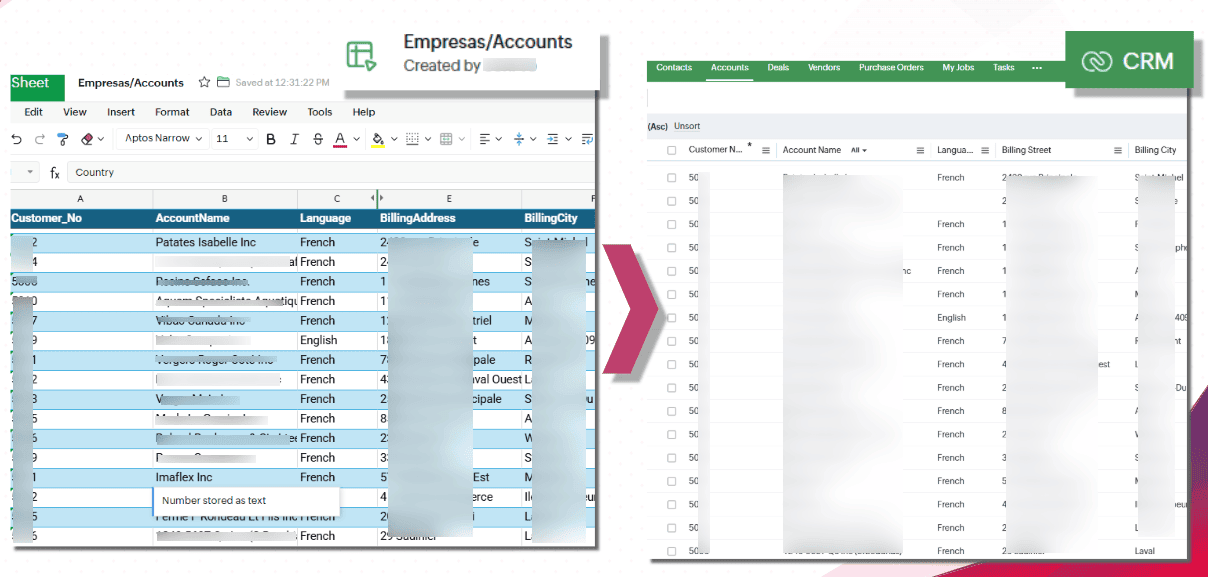
To address these needs, we designed and implemented an end-to-end Zoho solution focused on centralizing operations, automating key processes, and improving visibility across the organization.
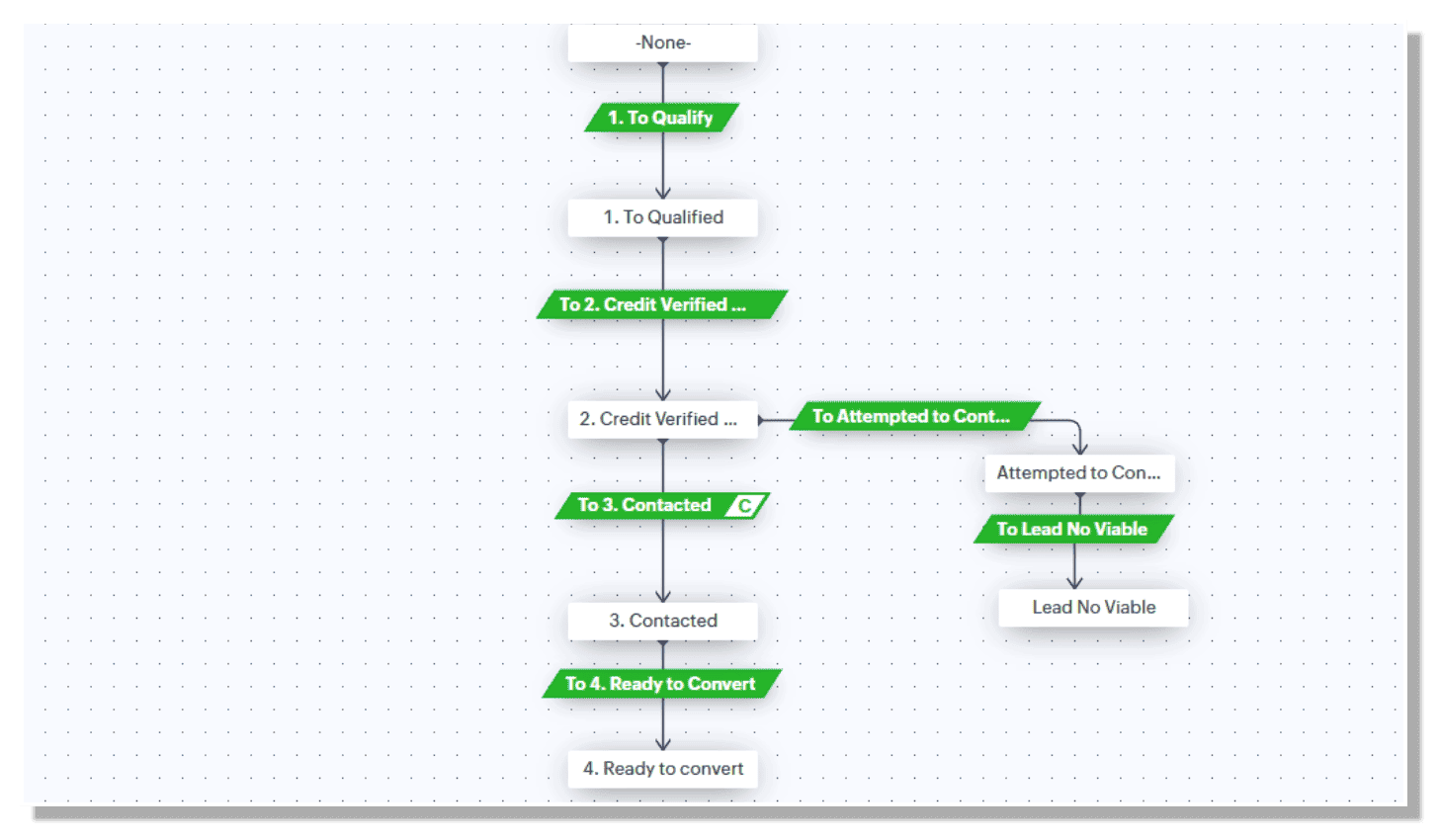
To support online order intake, existing web forms were replicated and redesigned using Zoho Forms. These forms were enhanced with conditional logic and form rules to handle different product types, variations, and supply requirements. Once completed, the forms were deployed directly on the client’s website and fully integrated with Zoho CRM, allowing new leads and order requests to be captured automatically. Email notifications were configured to alert the internal team whenever new leads were submitted.
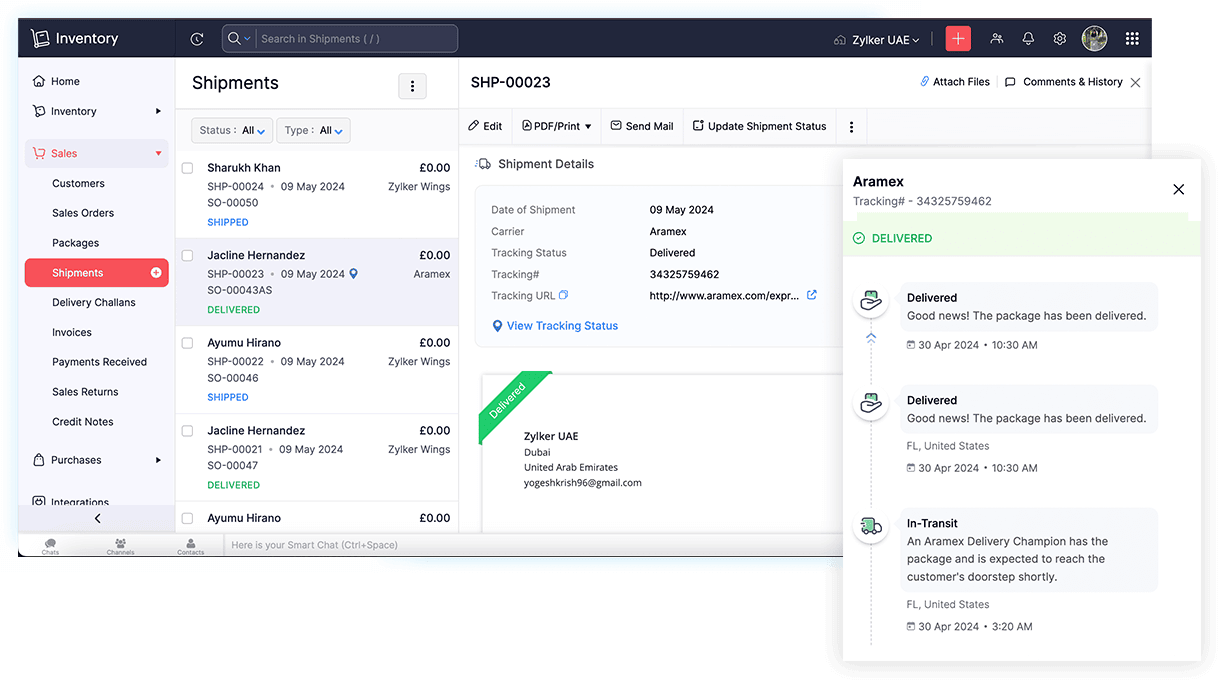
On the financial side, Zoho Books was implemented and customized to align with the company’s branding and operational requirements. Zoho Books was integrated with Zoho Inventory to ensure seamless synchronization between orders, inventory, and invoicing, providing better financial and stock visibility across departments.
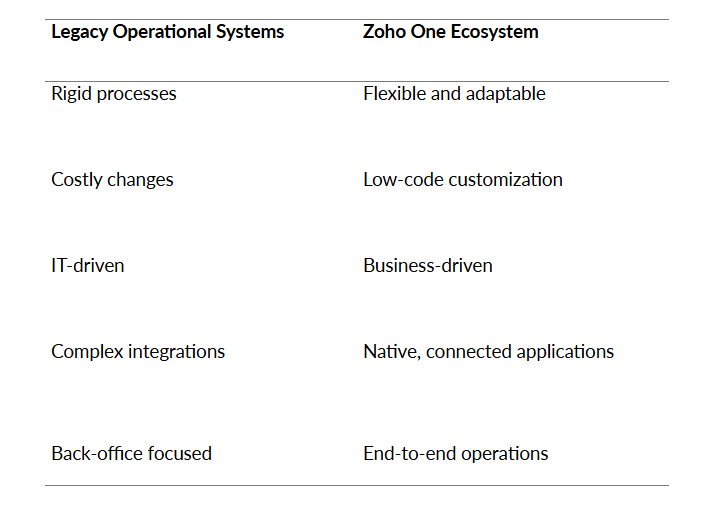
The implementation of the Zoho One ecosystem represents a significant operational transformation by replacing fragmented workflows with a centralized and automated system.
Business Impact
The implementation of the Zoho One ecosystem represents a significant operational transformation, replacing fragmented workflows with a centralized, automated system that enables efficient management of customer data, orders, and finances, providing complete visibility into sales, production, inventory, and accounting.
This resulted in:
Reduced data duplication.
Improved data accuracy.
Seamless access to real-time information for operational decision-making across teams.
Fewer errors thanks to automation. For example, online orders automatically trigger structured workflows that generate quotes, production orders, and related records.
Teams can spend more time on high-value work instead of repetitive administrative tasks.
The integration of Zoho CRM, Zoho Creator, Zoho Books, and Zoho Inventory improved coordination across departments. This alignment reduced response times, streamlined order processing, and strengthened inventory and cost control.
From a financial perspective, the company gained greater control over billing, expenses, and reporting thanks to customized templates and automated processes.
The flexible and cost efficient nature of the Zoho One Suite reduced the organization’s reliance on rigid legacy systems and expensive licensing models, allowing the company to scale its operations more efficiently without significantly increasing operational costs.
Beyond operational improvements, the project represented a strategic shift in how the organization leveraged technology to support the business.
Finally, multilingual training and guidelines for clear internal documentation, along with the collaborative relationship between our Zoho CRM experts and our client, enabled the staff to adopt the system with confidence, ensuring its practical use, consistency, and long-term scalability throughout the organization.
This solution shows how a well-designed and tailored Zoho ecosystem can address complex operational needs while remaining flexible, cost-effective, and scalable. By aligning technology with actual business processes, the company was able to modernize its operations and establish a foundation for sustainable growth. At CRM-Administrators, we are committed to delivering solutions that grow and evolve alongside our clients’ businesses.
